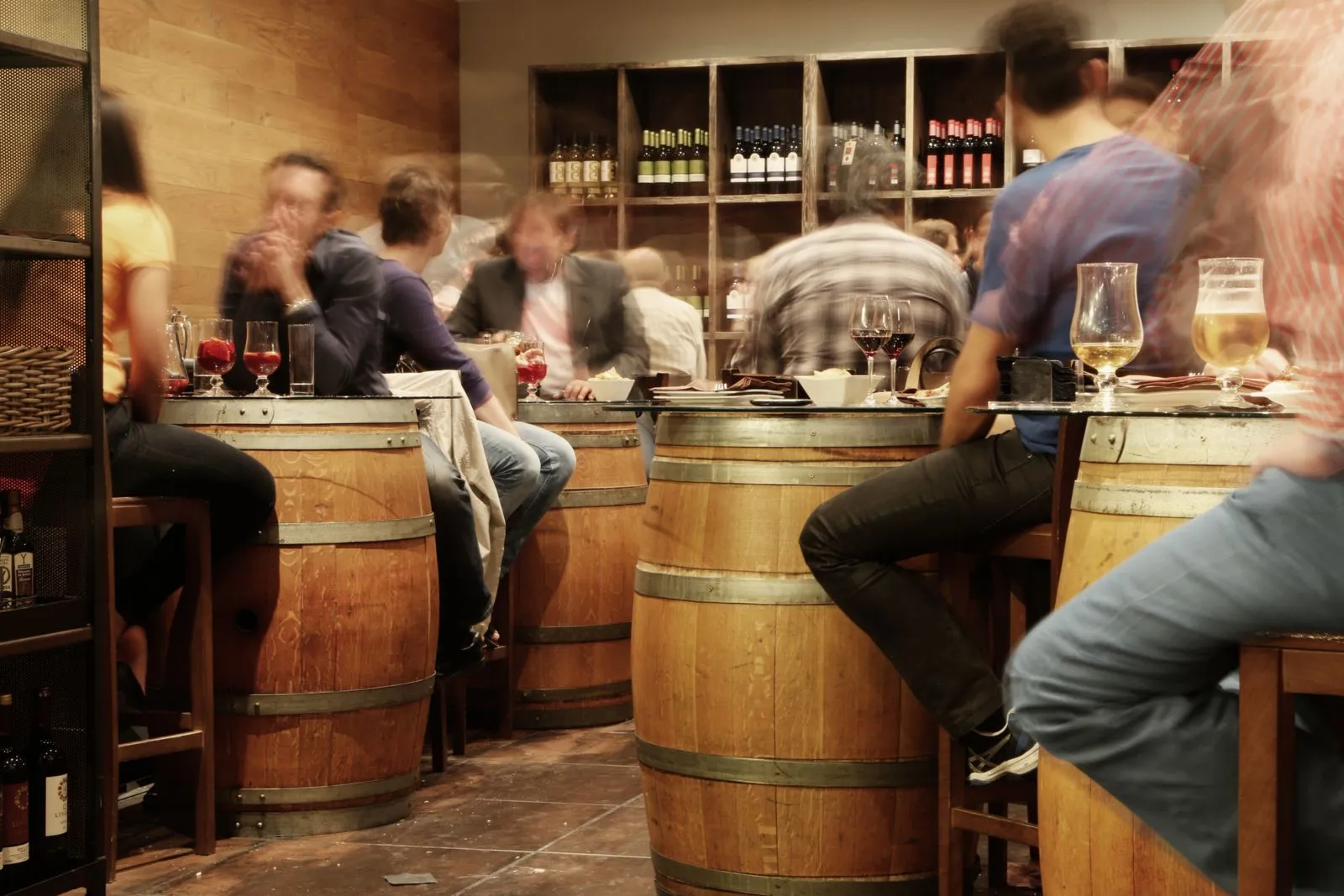
Choosing food for Spanish wine does not require a formal menu. Start with the wine’s main feature: crisp acidity, lively bubbles, savory fruit, or a nutty, richer finish. Then pick a small plate that complements it or balances it. These practical pairings work for a relaxed snack at home or a tapas-style spread with friends. If you are unsure, salty, savory bites are a reliable place to begin.
Crisp Whites and Seafood
Albariño and other fresh, dry Spanish whites pair naturally with seafood. Their acidity helps keep fried or oily foods from feeling heavy, while citrus and mineral notes suit the clean flavor of shrimp, anchovies, and white fish. Try grilled shrimp, tinned mussels, or a small plate of fried calamari with lemon.
For an easy no-cook match, serve olives, salted Marcona almonds, or conservas—quality preserved seafood—with a crisp white. Keep sauces simple so they do not overpower the wine. A squeeze of lemon or a little olive oil is often enough.
Cava and Salty Bites
Cava’s bubbles and acidity make it a flexible partner for rich, salty snacks. Pair it with jamón, manchego, potato chips, or croquetas. The wine’s freshness can cut through the richness of fried foods and cured meats, making each bite feel balanced rather than overly heavy.
For a small gathering, set out a mix of cured ham, firm cheese, and salted nuts. Choose a dry cava when serving savory plates. If the wine is sweeter, pair it with fruit or a mildly salty cheese, and check the label for sweetness terms such as brut or semi-seco.
Rioja and Savory Plates
Rioja ranges from fresh and fruit-forward to more structured, oak-aged styles. A younger Rioja works well with chorizo, grilled vegetables, or tomato-topped bread. For a fuller, oak-aged bottle, try lamb skewers, grilled mushrooms, or a plate of aged manchego. Match the wine’s weight to the richness of the food.
Avoid pairing a delicate red with a very spicy dish, which can make alcohol feel more pronounced. Instead, serve mild-to-moderately seasoned meats and vegetables. If your plate has a strong smoky or salty flavor, add bread or roasted potatoes to give the wine and food a gentler bridge.
Sherry and Flexible Snacks
Sherry covers several styles, so check the bottle before choosing food. Dry fino and manzanilla pair especially well with olives, almonds, anchovies, and seafood. Their savory, dry character complements salty snacks. Amontillado, with more depth, can work with mushrooms, roasted nuts, or richer cheeses.
Cream sherry is sweeter and suits dried fruit, toasted nuts, or a small dessert. For any sherry, serve a modest pour and build a plate around its style rather than assuming all sherries taste alike. A mixed tapas spread can work, but keep the sweetest foods separate from dry styles.
For an easy pairing, choose one wine style and two or three small plates that share its character: crisp wines with seafood, bubbles with salty bites, reds with savory foods, and sherry with snacks suited to its sweetness. Start with modest portions, taste, and adjust. Explore these combinations at La Mesa Wine Bar or use them to plan your next spread.