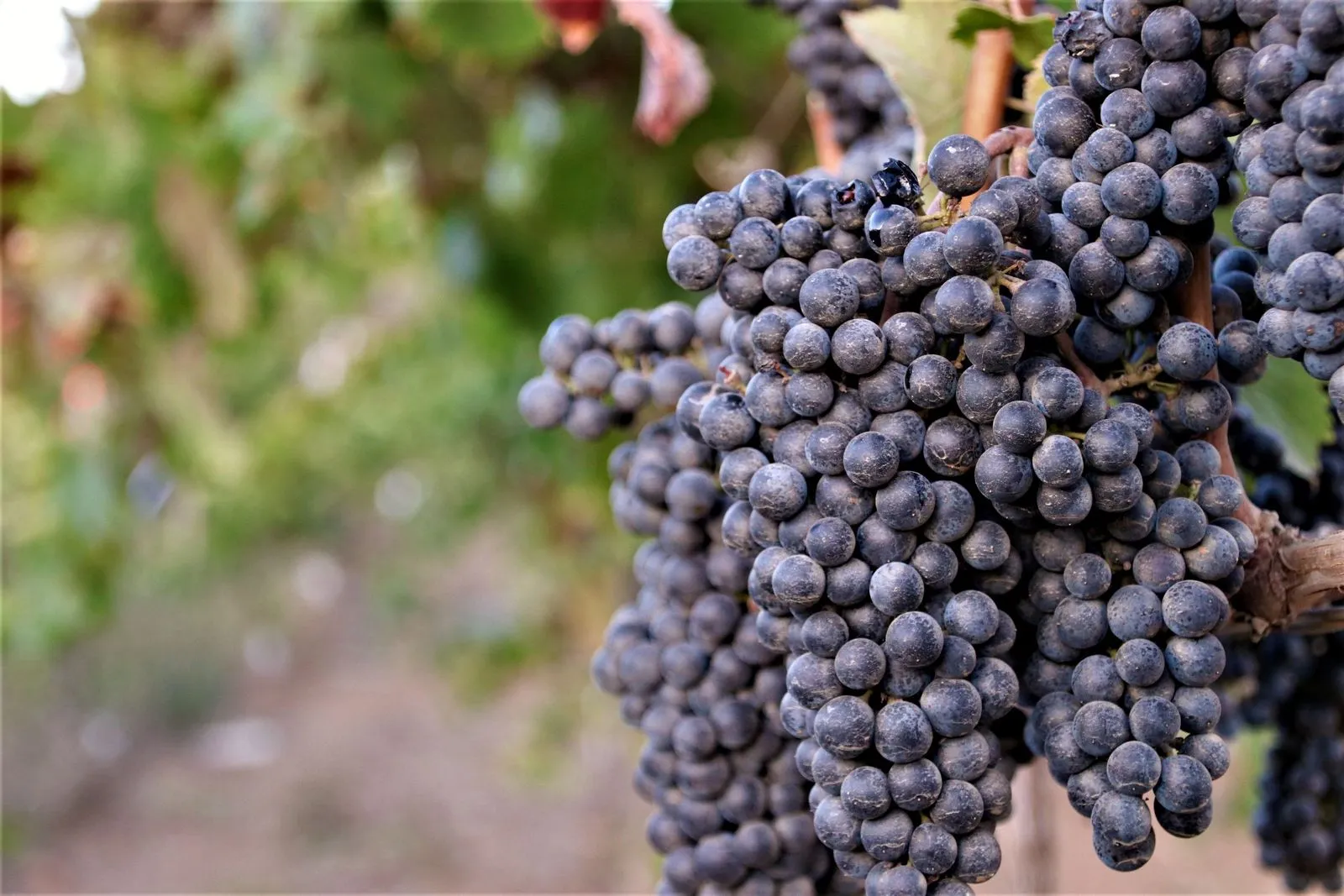
Spanish wine labels can feature unfamiliar regions and grape names, but starting with the grape makes choosing easier. Tempranillo often brings savory red-fruit flavors, while Albariño is known for fresh, citrusy whites. These are useful starting points, not strict rules: climate, winemaking, and age can change a wine’s character. Use the grape as a guide, then tell your server whether you prefer bright or rich, crisp or soft, and what you plan to eat.
Start With Red Grapes
Tempranillo is a good first choice if you like balanced reds with flavors that can suggest cherry, plum, herbs, or leather. It appears under different names in some regions, including Tinta de Toro and Cencibel. Oak-aged examples may taste more savory or spicy, while younger versions tend to emphasize fresh fruit. Ask whether the wine is unoaked, lightly aged, or more developed if you have a preference.
Garnacha, also called Grenache, often offers ripe berry fruit and a softer feel than a firm, tannic red. It can be light and easygoing or concentrated and full-bodied, depending on where and how it was made. Choose it when you want a fruit-forward red, or ask for a fresher style if you prefer less weight. It pairs well with grilled vegetables, roasted meats, and dishes with paprika.
Find a White You’ll Enjoy
Albariño is a helpful pick for a crisp, aromatic white. Expect fresh citrus and orchard-fruit notes, sometimes with a saline impression that suits seafood. It is commonly associated with Galicia, though the exact style varies. If you usually enjoy Sauvignon Blanc or other lively whites, ask whether the Albariño on the list is dry and bright; that description can help you find a close match.
Verdejo often brings citrus, herbs, and a rounded texture, making it a useful option when you want a white with more presence than a very light, crisp pour. Viura, also called Macabeo, can range from simple and fresh to textured and oak-influenced. For either grape, ask how the wine was made and whether it tastes lean or richer. Those details can matter more than the grape name alone.
Choose by Taste and Meal
Translate your preference into plain language when ordering. Try, “I like dry reds with soft tannins,” or, “I want a crisp white without much oak.” If you know a wine you already enjoy, mention it. A server can use that reference to steer you toward a Spanish grape with a similar level of fruit, acidity, or body.
Let the food help narrow the choice. Crisp whites such as Albariño can work with seafood, olives, and salty snacks. Tempranillo and Garnacha can suit grilled meats, mushrooms, and savory tapas, though lighter versions may pair well with lighter dishes. When sharing several plates, a glass of each style can be more flexible than choosing one bottle for the whole meal.
Order a Glass or Bottle
A glass is a practical way to try an unfamiliar grape or style before committing. Ask for a taste if the bar offers one, and describe what you want rather than asking for the “best” wine. You can also ask which option is lighter, drier, more aromatic, or less oaky. These comparisons make the list easier to navigate without needing to recognize every region.
A bottle makes sense when several people want the same style or the wine will carry across multiple courses. Check the list for grape, region, and any notes about aging, then confirm that the style fits the group. At La Mesa Wine Bar in Cincinnati, you can ask the team to help match a Spanish wine to your tastes and food.
To choose Spanish wine by grape, start with the broad style you like: savory or fruit-forward reds, crisp or fuller whites. Then use the grape, food, and a quick question to refine the choice. If you’re ready to explore, ask your local wine bar for a pour that matches your preferences.